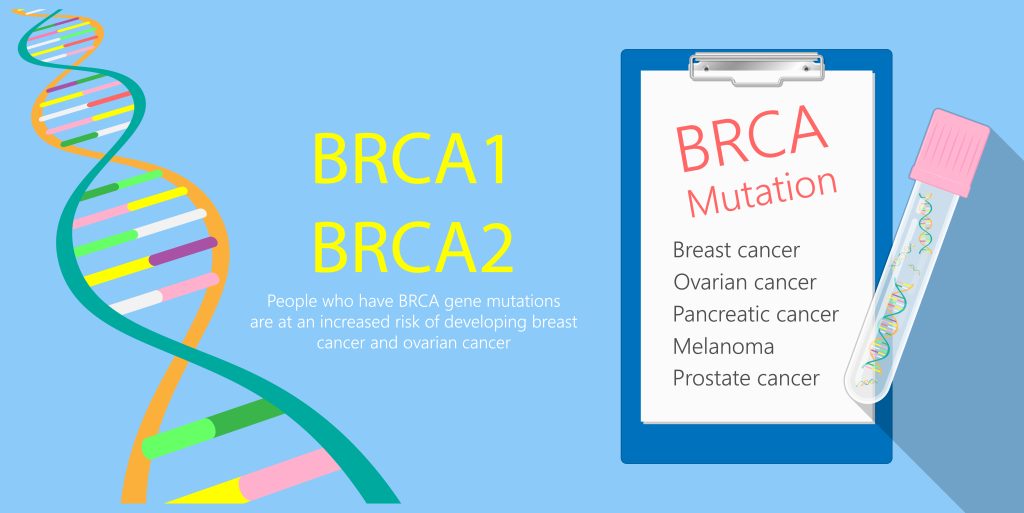







Have you ever wondered whether cancer in your family could be inherited? Perhaps several relatives have had cancer, someone was diagnosed at a young age, or you simply feel unsure about your own risk. These concerns are completely understandable, and asking questions is a positive first step.
Hereditary Cancer Awareness Week is a helpful reminder that family history matters. NHS genetic testing is available for many people at higher risk, but not everyone who is worried will meet the criteria for testing on the NHS. If this has happened to you, it does not mean your concerns are not valid. It simply means you may need another route to get the information you are looking for.
Why hereditary cancer testing matters
A hereditary cancer test looks for inherited changes in your genes that may increase your chance of developing certain cancers. If a change is found, it can help you and your GP understand whether extra screening, earlier checks, or other risk-reducing options may be worth discussing. It can also help relatives understand whether they may need advice too.
For many people, testing can bring clarity. It may confirm that there is an inherited risk to consider, or it may help rule out some of the most common inherited changes linked to cancer. Either way, the result should be explained carefully so you understand what it means for you and your family.
When NHS testing is not available
NHS testing is offered to people who meet specific national or local criteria. These criteria are designed to make sure testing is used where it is most clearly indicated. However, family histories are not always straightforward. You may still feel worried even if you do not qualify, especially if you have seen cancer affect people close to you.
If you have been told that NHS testing is not available to you, private hereditary cancer testing may be an option. The most important thing is to choose a test that is clinically recognised, carried out to high laboratory standards, and supported by clear guidance before and after testing.
The value of testing beyond NHS eligibility
A clinically recognised hereditary cancer test can help you move from uncertainty to a clearer understanding of your risk. It may give you information to take back to your GP, oncologist, or other healthcare professional, and it may help guide conversations about screening, prevention and family support.
Why choose our hereditary cancer test?
At the Forensic Genomics Innovation Hub (FGIH), we understand that genetic testing can feel like a big decision. Our hereditary cancer tests are designed to be clear, clinically meaningful and supported at every step, so you are not left to interpret the result on your own.
- Approved for use in the NHS: Our tests are approved for use in the NHS, giving you confidence that they meet recognised clinical standards.
- Recognised by NHS healthcare professionals: Results are recognised by GPs and oncologists across NHS trusts, helping you have informed follow-up conversations if needed.
- Genetic counselling included: We provide genetic counselling so you can talk through the testing process, what the results could mean, and what steps might come next.
- ISO 15189 accredited testing: All tests are ISO15189 accredited, reflecting high standards for medical laboratory quality and reliability.
Knowledge can help you feel more prepared
Having a hereditary cancer test is not about expecting the worst. It is about giving yourself information that may help you make choices with more confidence. For some people, that means discussing extra screening or earlier checks. For others, it means understanding their family history more clearly and knowing what questions to ask next.
This Hereditary Cancer Awareness Week, if you are worried about cancer in your family but have been told you do not qualify for NHS testing, you still have options. The FGIH offers clinically recognised hereditary cancer testing, ISO15189 accredited laboratory workflow and genetic counselling to help you make an informed decision about whether testing is right for you.
Click here to learn more about genetic testing for cancer on the NHS.
Visit our Hereditary Cancer Testing page to learn more about the test and the testing process.