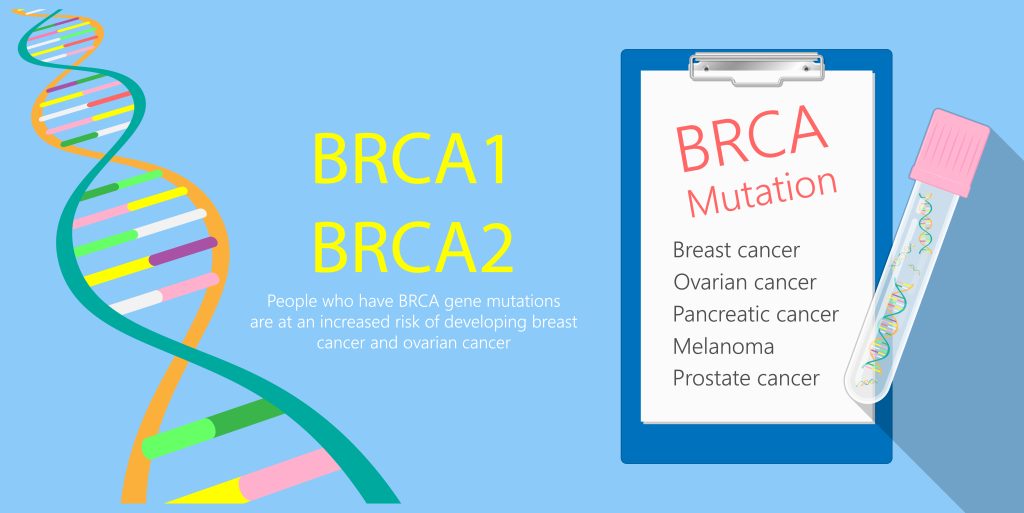








Since the UK National Screening Committee (UK NSC) recommended targeted prostate screening for men aged 45 to 61 who carry a BRCA2 gene change and have a family history of specific cancers in May 2026, there has been a huge increase in the number of Hereditary Prostate Cancer, and BRCA 1 and 2 Gene Tests requested. The main reason being that the majority of us do not know whether we carry a genetic fault which could increase our chances of developing certain cancers. Gene faults linked to increased cancer risk do not have any symptoms, so we only know if we carry these faults if we actively test for it.
Prostate cancer is the most common cancer in men in the UK, with over 64,000 men diagnosed annually. The lifetime risk varies between 1 in 6 and 1 in 8 UK males depending on the specific birth cohort tracked, according to Prostate Cancer UK.
Prevalence & UK Statistics (as per Prostate Cancer UK)
- Over 64,000 cases are diagnosed each year across the UK. It accounts for roughly 14% of all new cancer cases.
- There are over 540,000 to 610,000 men currently living with or after a prostate cancer diagnosis in the UK.
- Around 78.9% of men survive 10 years or more after diagnosis, a massive jump from just 20% in the 1970s.
- Unfortunately, approximately 12,000 to 12,300 men die from prostate cancer every year in the UK.
Genetic Susceptibility & Family History Risks
According to data compiled by Cancer Research UK and the UK Genetics Prostate Cancer Study (UKGPCS), inherited genetic factors directly account for 5% to 9% of all prostate cancer cases.
The risk scales significantly based on family history and specific gene faults:
Risk Factor / Genetic marker | Impact on Baseline Risk | Clinical Context |
Affected Brother | 2.9x to 3.3x higher risk | Represents the highest risk among standard first-degree relatives. |
Affected Father | 2.1x to 2.4x higher risk | Risk increases further if they were diagnosed under the age of 60. |
Two First-Degree Relatives | Up to 5x higher risk | Drastically lowers the age threshold at which clinical monitoring should begin. |
BRCA2 Mutation | Up to 5x higher risk(7x under age 65) | Strongly associated with aggressive, nodal, and metastatic disease. |
Lynch Syndrome | 2.1x to 4.9x higher risk | Linked to genetic mutations affecting DNA mismatch repair. |
Genetic and biological factors linked to ethnicity also drastically alter baseline risk within the UK population:
- Black Men have a 1 in 4 lifetime risk of developing the disease and are regularly diagnosed at a younger age (often starting from age 45). 1 in 12 Black men in the UK will die from prostate cancer.
- White Men have a 1 in 8 lifetime risk, with 1 in 24 dying from the disease.
- Asian Men have a lower lifetime risk of 1 in 13, with 1 in 44 dying from the disease.
To improve your chance of having access to screening programs, knowing your BRCA2 (in particular) gene status is essential. The NHS simply cannot offer all men BRCA2 screening, and therefore more are organising their own testing privately.
If you are interested in finding out whether you have a gene fault that could increase your risk of developing prostate cancer, then our NHS approved and accepted Hereditary Cancer Tests are worth considering. The home sampling method, which collects some of the saliva from your mouth painlessly and effortlessly, can provide peace of mind within 15 working days. All the cancer genetic tests include post-test genetic counselling should you test positive for a gene fault linked to increased cancer risk. All pathogenic and likely-pathogenic mutations are reported and accepted in the NHS. Knowledge is power! Learn more here.