








How Stress May Increase Cancer Risk for People with Inherited Cancer Genes

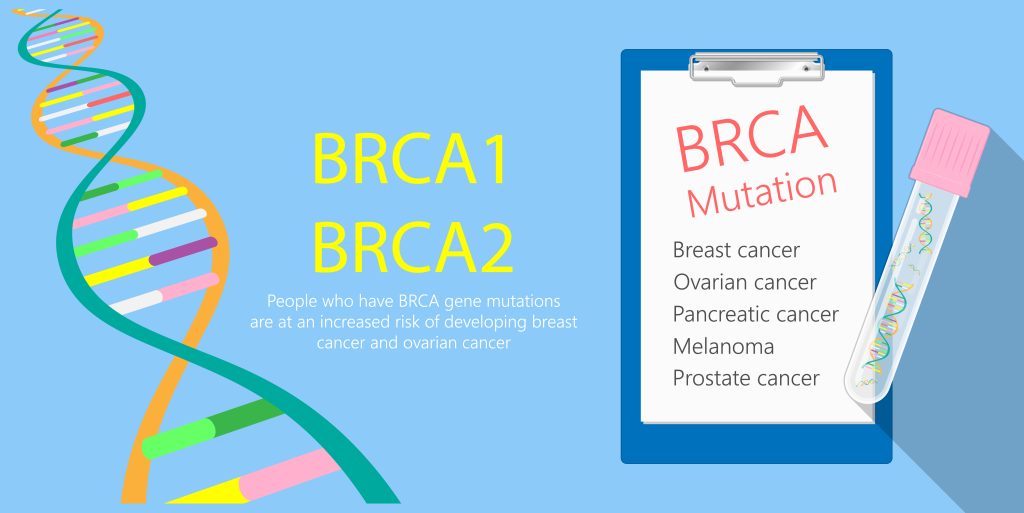
BRCA1 BRCA2 testing

Research published in October 2025 suggests that psychological stress could raise cancer risk in people who already have a genetic predisposition to the disease. Scientists have found that in individuals with BRCA gene mutations, higher levels of the stress hormone cortisol are linked to an even greater increased risk of some cancers, including breast and prostate cancer.

BRCA1 and BRCA2 mutations affect about one in 400 people. The mutations are known to significantly raise cancer risk because they impair the body’s ability to repair damaged DNA. This new study, led by researchers at the University of Brighton and The Institute of Cancer Research in London, shows how stress may make this problem worse.

BRCA1 BRCA2 mutations

In laboratory experiments, researchers exposed BRCA-mutated cells to cortisol. Unlike healthy cells, these BRCA-mutated cells were unable to repair cortisol-related DNA damage. This suggests that stress hormones can cause lasting harm in cells that already struggle to fix themselves.

The research project followed men and women with BRCA mutations over many years. Women with higher cortisol levels were more than twice as likely to develop breast cancer, while men with higher cortisol levels were more likely to develop prostate cancer. In men who went on to develop cancer, markers of DNA damage were also higher.

It is important to stress that this does not mean stress alone causes cancer. Cancer risk is influenced by many factors, including genetics, lifestyle, and environment. However, the findings help explain one biological pathway through which stress might contribute to cancer development in people already at higher risk.

Stress management

The study touches on possible prevention strategies. Psychological support such as mindfulness, therapy, and stress management could become part of care for BRCA carriers. Researchers also suggest that medications targeting the cortisol receptor—some of which already exist—may one day help reduce cancer risk. To read the article in full visit the Institute of Cancer Research.

Overall, the message is not one of blame, but empowerment: understanding how stress affects the body may help people with BRCA mutations take steps to better protect their long-term health.

If you would like to know your BRCA1 and BRCA2 gene status our Hereditary Breast and Gynae panel is suitable for men and women, and is provided with genetic counselling at no extra cost. Your report will also be accepted by your NHS GP or Specialist. 

For more information on genetic breast cancer and prostate cancer see a few recommended links below:

Cancer Research UK

National Institute for Health and Care Excellence (NICE)

Prostate Cancer UK


Read more from the blog

Diagnosing Milk Allergies in Babies

Cow’s milk allergy is an immune system response to proteins in cow’s milk. It is not the same as lactose intolerance and is one of the most common childhood food allergies. There are two different types of cow’s milk allergy depending on how the immune system reacts.

Read More